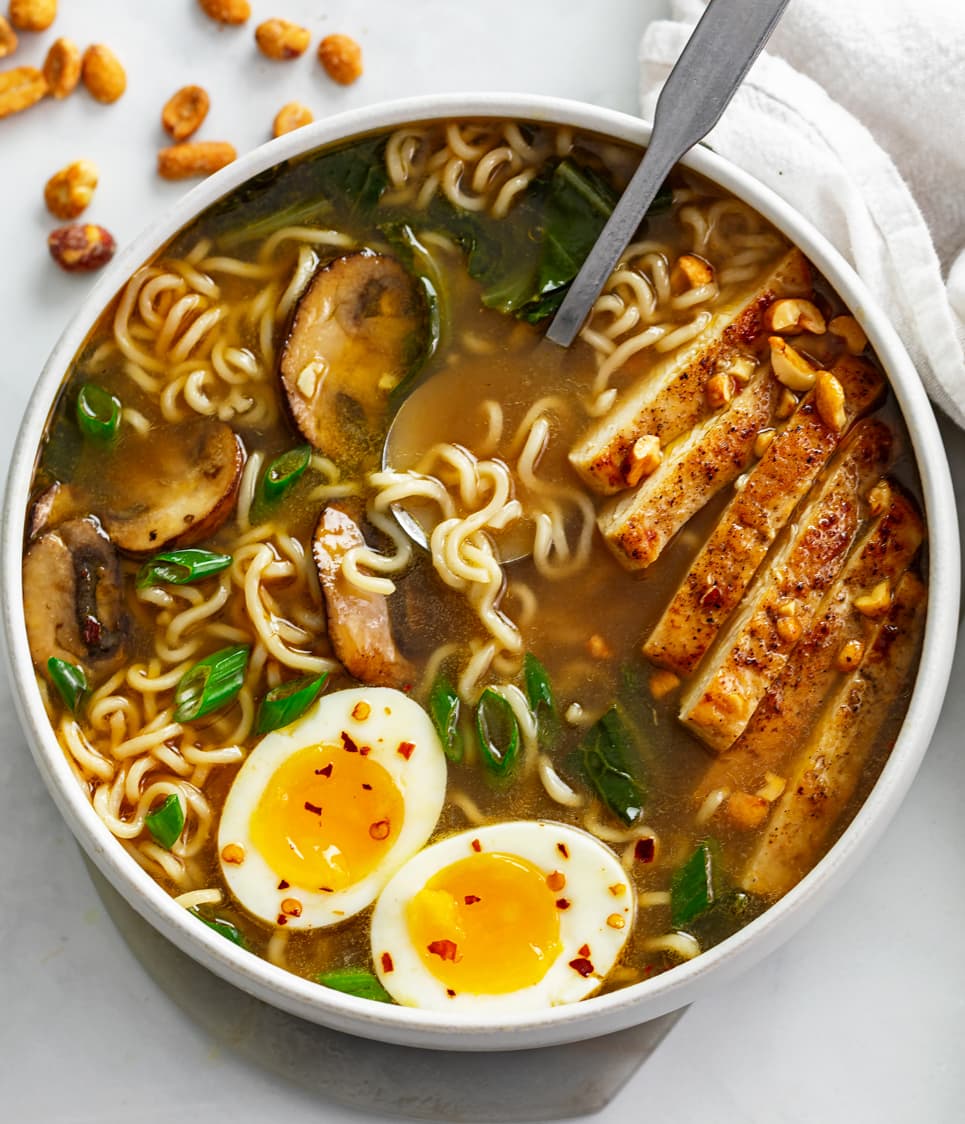
Simple Steps to Savory Japanese Ramen at Home
Japanese ramen noodle soups have captivated palates worldwide, evolving from a simple street food into a culinary art form. With their deeply flavorful broths, perfectly cooked noodles, and an array of vibrant toppings, these bowls offer a symphony of textures and tastes. While the idea of creating an authentic *japanese inspired ramen noodle soup* from scratch might seem daunting, it's a surprisingly accessible and incredibly rewarding endeavor. This guide will walk you through the essential components and iconic styles, empowering you to craft your own mouthwatering ramen experience right in your kitchen.
The Allure of Homemade Japanese Ramen
There's an undeniable magic to a steaming bowl of ramen. It's comfort food perfected – nourishing, warming, and endlessly satisfying. But why go through the effort of making it at home when so many fantastic ramen shops exist? The answer lies in the unparalleled ability to customize every single element to your exact preference. From the richness of the broth to the chewiness of the noodles, and the medley of toppings, homemade ramen is a canvas for your culinary creativity.
Beyond customization, preparing your own *japanese inspired ramen noodle soup* offers a deeper appreciation for the craft. You control the quality of ingredients, experiment with different regional styles, and discover the joy of creating something truly special. Whether you're a ramen novice eager to learn the basics or a seasoned enthusiast looking to refine your technique, the journey of making ramen at home is a delicious one. For a deeper dive into the vast world of ramen variations, explore
Master Japanese Ramen: 25+ Recipes for Every Taste.
Deconstructing Your Bowl: Essential Components of a Japanese Inspired Ramen Noodle Soup
Understanding the core elements that make up a bowl of ramen is crucial for mastering its preparation. Each component plays a vital role in building the layered flavors and textures characteristic of this beloved dish.
The Broth (Soup Stock): The Soul of Ramen
The broth is arguably the most critical element, providing the foundational flavor profile. It's typically a slow-cooked affair, extracting maximum umami and depth. Common types include:
- Tonkotsu: A rich, creamy, opaque broth made from simmering pork bones for hours until they break down, releasing collagen and creating a distinctive velvety texture.
- Shoyu: A clear, brown broth typically chicken or pork-based, seasoned heavily with soy sauce, offering a lighter yet savory taste.
- Shio: A clear, pale broth, often chicken or seafood-based, seasoned primarily with salt, allowing the natural flavors of the stock to shine.
- Miso: A hearty broth flavored with miso paste, which can be red, white, or mixed, lending a robust, earthy, and often slightly sweet or savory complexity.
- Paitan: Similar to Tonkotsu, but can be chicken or a mix of bones, also yielding a milky, cloudy appearance due to emulsified fats and collagen.
- Chintan: A clear, light broth, often made from chicken or seafood, prized for its delicate yet profound flavor.
The Tare: The Flavor Concentrate
Often overlooked, the tare (pronounced "tah-reh") is a concentrated seasoning blend added to the bottom of the ramen bowl before the hot broth. It's what gives ramen its distinct character and is far more impactful than just adding soy sauce to the broth directly. The tare typically provides the saltiness and a significant portion of the umami. Common tares include:
- Shoyu Tare: Soy sauce-based, often infused with aromatics like kelp, dried mushrooms, and mirin.
- Shio Tare: Salt-based, using various salts and sometimes kombu (seaweed) or other umami-rich ingredients.
- Miso Tare: A blend of various miso pastes, sometimes with sake, mirin, and other spices.
The Noodles: The Chewy Foundation
Ramen noodles are typically made from wheat flour, water, salt, and *kansui* – an alkaline mineral water that gives them their characteristic chewiness, elasticity, and yellow hue. There's a wide variety of noodle types, differing in thickness, shape (straight or wavy), and texture, each suited to specific broths. For instance, thin, straight noodles often pair well with rich tonkotsu broth, while thicker, wavy noodles excel at clinging to heavier miso broths.
The Toppings: The Finishing Flourish
Toppings add texture, color, and additional layers of flavor. While traditional toppings are classics, this is where you can truly personalize your *japanese inspired ramen noodle soup*.
- Chashu: Braised pork belly or shoulder, thinly sliced and incredibly tender.
- Ajitama: A soft-boiled egg, marinated in soy sauce and mirin, with a custardy yolk.
- Nori: Sheets of dried seaweed, adding a briny, umami crunch.
- Menma: Fermented bamboo shoots, offering a savory, slightly sweet crunch.
- Scallions/Green Onions: Freshly sliced, adding a pungent, fresh bite.
- Narutomaki: A swirled fish cake, primarily for visual appeal.
- Kikurage: Wood ear mushrooms, providing a unique earthy crunch.
Aroma Oil: The Secret Weapon
Often a final drizzle, aroma oil adds an extra layer of richness and fragrance. Examples include:
- Mayu (Black Garlic Oil): Made from burnt garlic, it has a distinct nutty, slightly bitter, and smoky flavor.
- Chili Oil: For those who love a spicy kick, often infused with Sichuan peppercorns or other spices.
- Scallion Oil: A lighter oil infused with green onions.
Diving into Iconic Styles: Spicy Miso and Creamy Tonkotsu
While the variations are endless, understanding a couple of classic styles can provide an excellent starting point for your homemade ramen journey. These two types, in particular, highlight the incredible versatility and depth of a *japanese inspired ramen noodle soup*. For more specific recipe inspiration, be sure to check out
Spicy Miso to Tonkotsu: Find Your Ultimate Japanese Ramen Comfort.
Spicy Miso Ramen: Bold, Fiery, and Flavorful
For those who crave a comforting bowl with a dynamic kick, Spicy Miso Ramen is an absolute winner. This style marries the deep, umami-richness of miso paste with the invigorating heat of chili paste or other spices. The result is a savory, bold flavor profile that warms you from the inside out, making it an ideal choice for chilly evenings or when you need a soul-satisfying meal.
The beauty of homemade spicy miso ramen lies in its adaptability. You can easily adjust the spice level to your preference, from a gentle warmth to a fiery inferno. Vegetables, tender pork slices (like chashu), and a perfectly boiled egg transform this dish into a filling and incredibly satisfying meal. The interplay of the robust miso, the tender noodles, and the carefully chosen toppings creates a harmonious balance of heat and umami that leaves you craving more. Consider adding a side of pickled vegetables to cut through the richness and add a tangy contrast.
Tonkotsu Ramen: A Labor of Love for a Luxuriously Rich Broth
If indulgence is what you seek, Tonkotsu Ramen stands as the epitome of rich, savory perfection. This iconic ramen is celebrated for its distinctive creamy, pork-based broth, achieved by simmering pork bones (usually trotters and marrow bones) for many hours – often 12 to 18 hours or even longer. This extended cooking time extracts collagen, fat, and marrow, emulsifying them into a silky, opaque broth that truly coats every strand of noodle.
While Tonkotsu demands patience, the reward is a deeply luxurious, incredibly flavorful broth that is utterly unique. The thin, straight ramen noodles are the traditional choice here, as they perfectly complement the rich, velvety broth without overwhelming it. Traditional toppings like tender chashu pork, crunchy kikurage mushrooms, vibrant scallions, and a glorious soft-boiled ajitama egg complete this indulgent bowl of comfort. Every spoonful of a well-made Tonkotsu ramen is a delightful experience, offering an authentic taste of Japan in your own home.
Crafting Your Perfect Bowl: Tips for Success
Making a fantastic *japanese inspired ramen noodle soup* at home is about thoughtful preparation and layering flavors. Here are some practical tips to elevate your homemade ramen:
- Build Layers of Flavor: Always start with the tare at the bottom of the bowl, then add the hot broth. This ensures the seasoning is evenly distributed and deeply infused.
- Perfect Your Noodles: Cook your ramen noodles separately in plenty of boiling water for just the right amount of time – usually 1-3 minutes. They should be chewy, not mushy. Drain them well before adding to the bowl.
- Master the Ajitama: A soft-boiled egg with a jammy yolk, marinated overnight, is a ramen essential. Experiment with cooking times (usually 6-7 minutes for medium eggs) to find your perfect consistency.
- Don't Skimp on Broth Quality: While making broth from scratch is ideal, high-quality store-bought stocks (chicken, pork, or vegetable) can be a good base if time is short. Just remember to enhance them with aromatics and umami boosters like kombu and dried shiitake.
- Prepare Toppings in Advance: Many toppings like chashu and ajitama can be made ahead of time, significantly reducing your ramen assembly time.
- Balance is Key: A great ramen bowl balances richness, saltiness, acidity, and umami. Don't be afraid to taste and adjust your tare or broth with a pinch of salt, a dash of mirin, or a squeeze of lime at the end.
- Garnish Generously: Fresh scallions, a sheet of nori, and a drizzle of aroma oil not only add flavor but also make your bowl visually appealing and appetizing.
Conclusion
Embarking on the journey of making a *japanese inspired ramen noodle soup* at home is a culinary adventure that promises immense satisfaction. From the robust complexity of a spicy miso to the velvety richness of tonkotsu, the world of ramen is yours to explore and personalize. By understanding the core components and following these simple steps, you're well on your way to crafting bowls of ramen that are not only delicious but also uniquely your own. Don't be afraid to experiment, adapt, and infuse your personality into every ingredient. Happy cooking, and prepare to delight your taste buds with truly exceptional homemade ramen!